
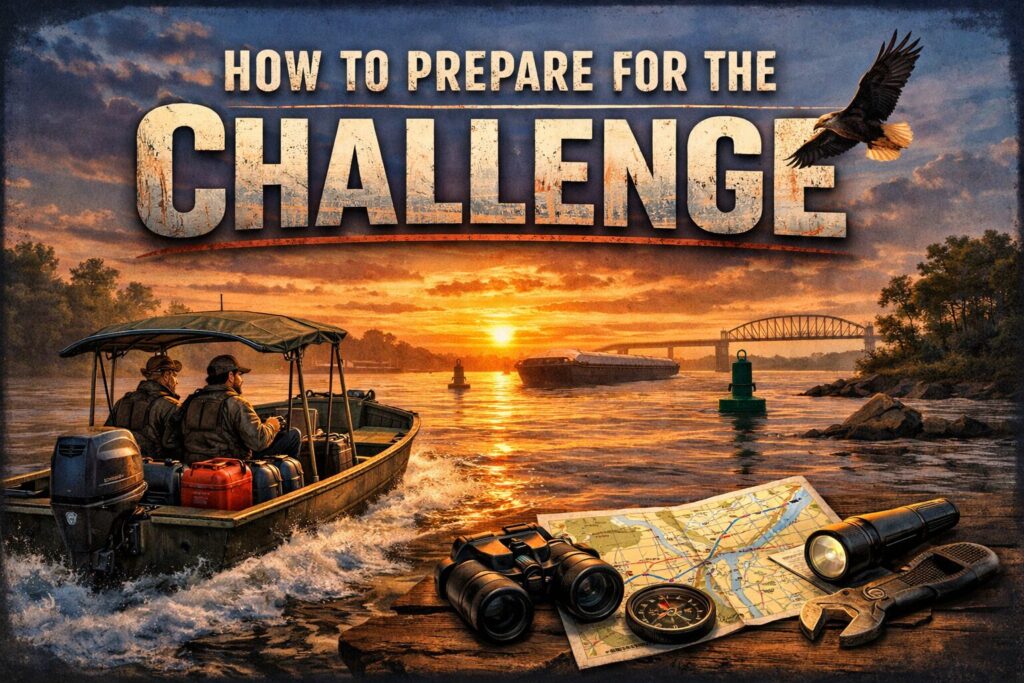
How to Prepare for the Challenge
The Great American River Race isn’t something you sign up for on a whim and figure out later. TGARR rewards teams who think ahead, plan smart, and accept that no plan survives first contact with the river.
Preparation isn’t about perfection—it’s about resilience. Boats break. Weather shifts. Sleep gets scarce. The teams that finish aren’t the ones with the fanciest setups, but the ones who prepared for reality.
Here’s how to get ready.
1. Build for Reliability, Not Speed
Speed is tempting. Reliability wins races like this.
Your boat doesn’t need to be fast—it needs to run all day, every day, with minimal drama. Simpler systems, proven engines, and easy-to-service components matter more than top-end performance.
Think in terms of:
- Engines that are common and easy to repair
- Parts you can find at small-town marinas
- Redundancy where it matters (fuel delivery, electrical basics)
If you’re choosing between “clever” and “boring,” pick boring.
2. Know Your Fuel Strategy Cold
Fuel management is one of the most common failure points.
You’ll be navigating long stretches where fuel stops are sparse, hours are limited, or conditions change your burn rate dramatically. Current, wind, load, and throttle discipline all matter.
Preparation tips:
- Test real-world fuel burn at race pace
- Practice refueling quickly and safely
- Carry enough reserve to absorb mistakes—not just ideal conditions
- Know where fuel might be available, not just where it’s guaranteed
Running out of fuel isn’t bad luck—it’s bad math.
3. Navigation Is a Skill, Not an App
GPS helps. It doesn’t replace judgment.
Commercial traffic, shifting channels, wing dams, barges, and debris are constant realities. You need someone on the crew who understands river reading—not just following a line on a screen.
Before race day:
- Learn to read charts and markers
- Understand commercial traffic patterns
- Practice decision-making at speed
- Know when slowing down is faster than pushing on
The river rewards patience and punishes arrogance.

4
4. Prepare the Crew as Much as the Boat
Fatigue ends more races than mechanical failure.
TGARR is a mental and physical grind. Long hours, broken sleep, heat, cold, rain, and stress will test your crew long before your hull gives up.
Crew prep matters:
- Define clear roles before launch
- Practice operating tired—not just fresh
- Plan food that’s easy to eat underway
- Hydration is non-negotiable
- Talk through decision authority ahead of time
A calm, functional crew beats a brilliant but burned-out one every time.
5. Pack Light—but Pack Smart
Every pound matters. Every item should earn its place.
You’re not packing for comfort—you’re packing for survival and recovery.
Must-haves include:
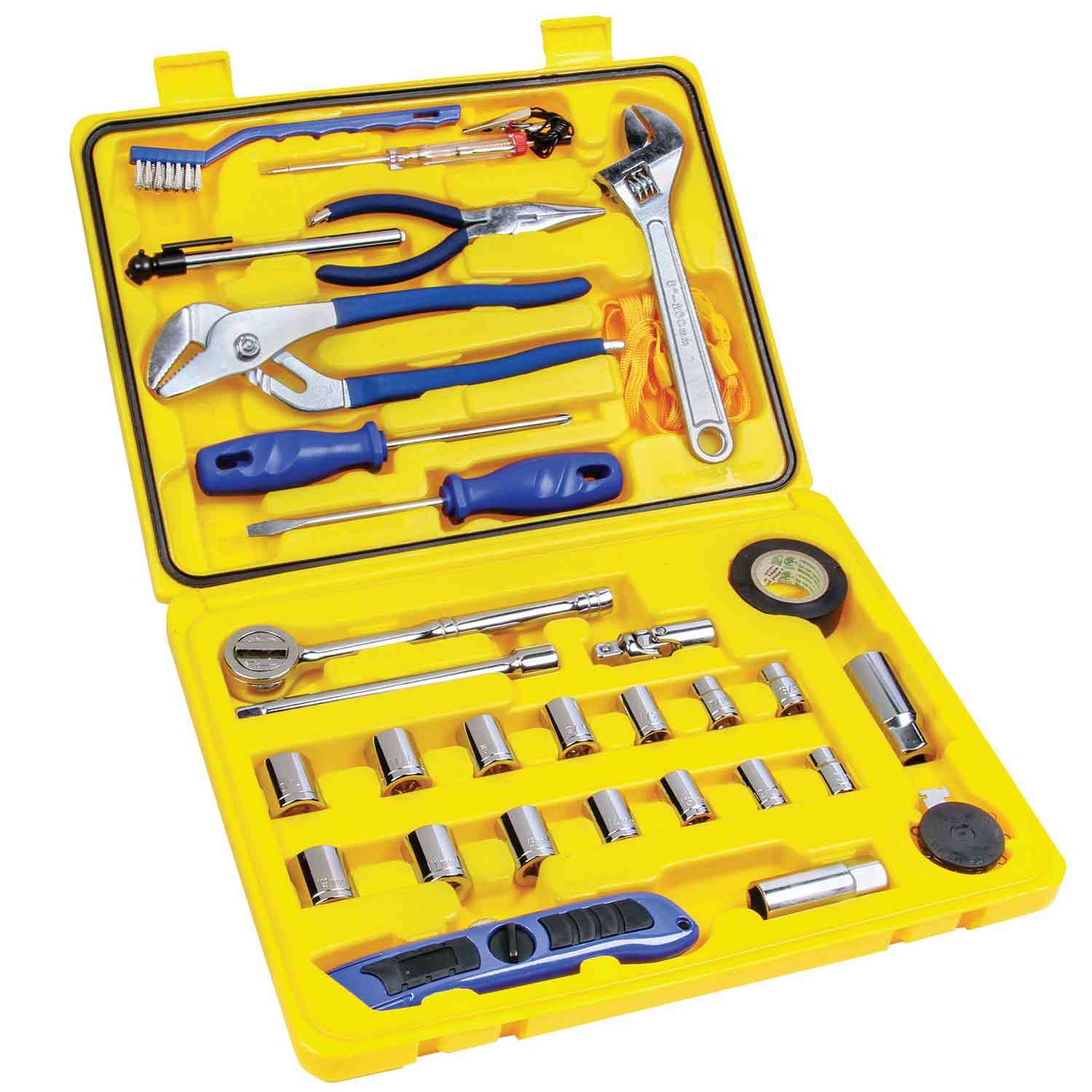
- Tools you actually know how to use (see P80 Kit)
- Spares for known failure points
- Basic repair materials (duct tape still counts)
- Safety gear that’s accessible, not buried
- Lighting for night operations
If you bring it “just in case,” be honest about the case.
6. Accept That Things Will Go Wrong
This might be the most important preparation of all.
Something will fail. A plan will unravel. A decision will look wrong in hindsight. TGARR isn’t about avoiding problems—it’s about solving them faster than the river creates new ones.
Teams that struggle most are usually the ones who expected everything to go right.
Expect friction. Build margin. Stay adaptable.
Final Thought: Prepare to Finish, Not to Impress
TGARR doesn’t reward flash. It rewards grit, judgment, and preparation.
If you’ve done the work—tested your systems, trained your crew, and thought through the ugly scenarios—you’ll give yourself a real shot at reaching the Gulf under your own power.
And if you haven’t?
The river will teach you. Quickly.
Prepare accordingly.