
Boats Break (The Hardware)
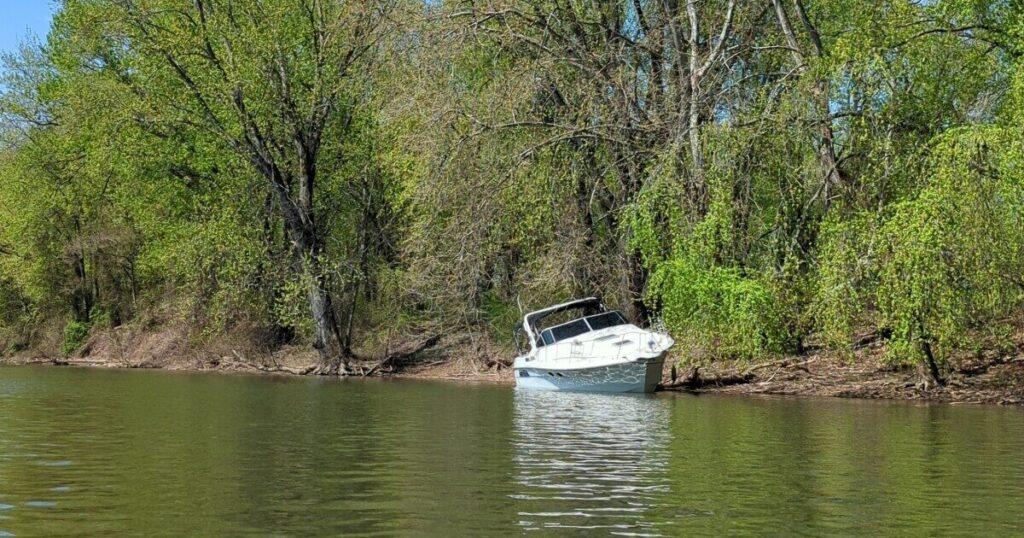
On a $5,000 budget, mechanical failure isn’t a possibility; it’s a certainty. Cooling lines clog, electrical gremlins surface, and river debris claims props.
The survivors aren’t the ones with “perfect” boats. They are the ones who:
- Accept “good enough” to keep the prop spinning.
- Know how to diagnose problems in the dark.
- Improvise when the proper tools and parts are not available.
Crews Break (The Software)
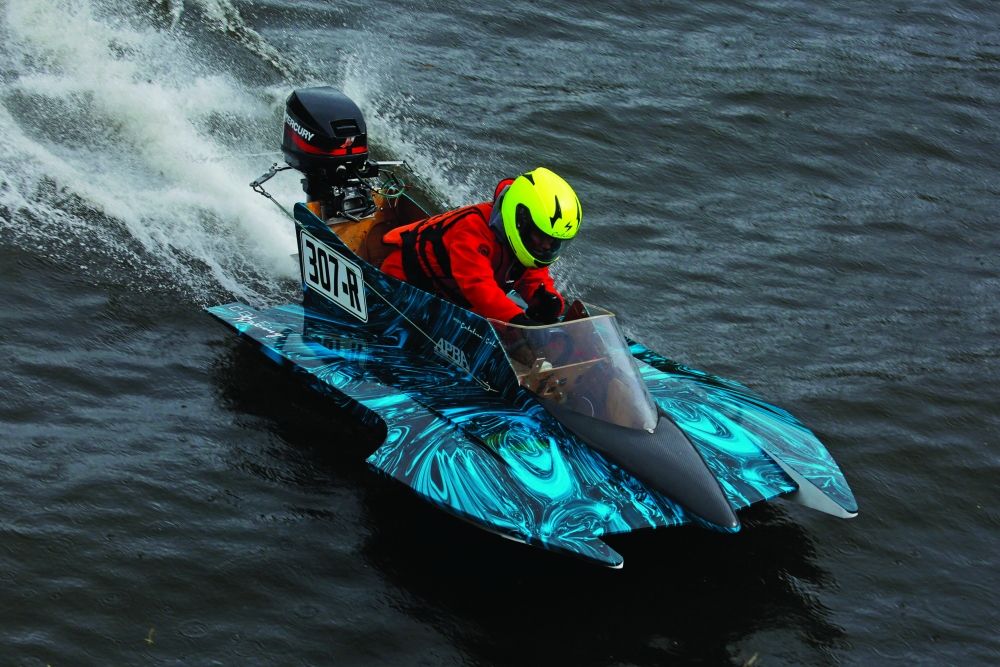
Mechanical failures are loud; human failures are quiet. Fatigue erodes judgment and patience until small mistakes compound into a DNF.
Common human failure points include sleep deprivation, dehydration, and communication breakdowns. Strong teams don’t just “power through”—they rotate roles, eat real food, and check their egos. You can fix a boat; you can’t fix a broken team in the middle of the river.
Plans Break (The Strategy)
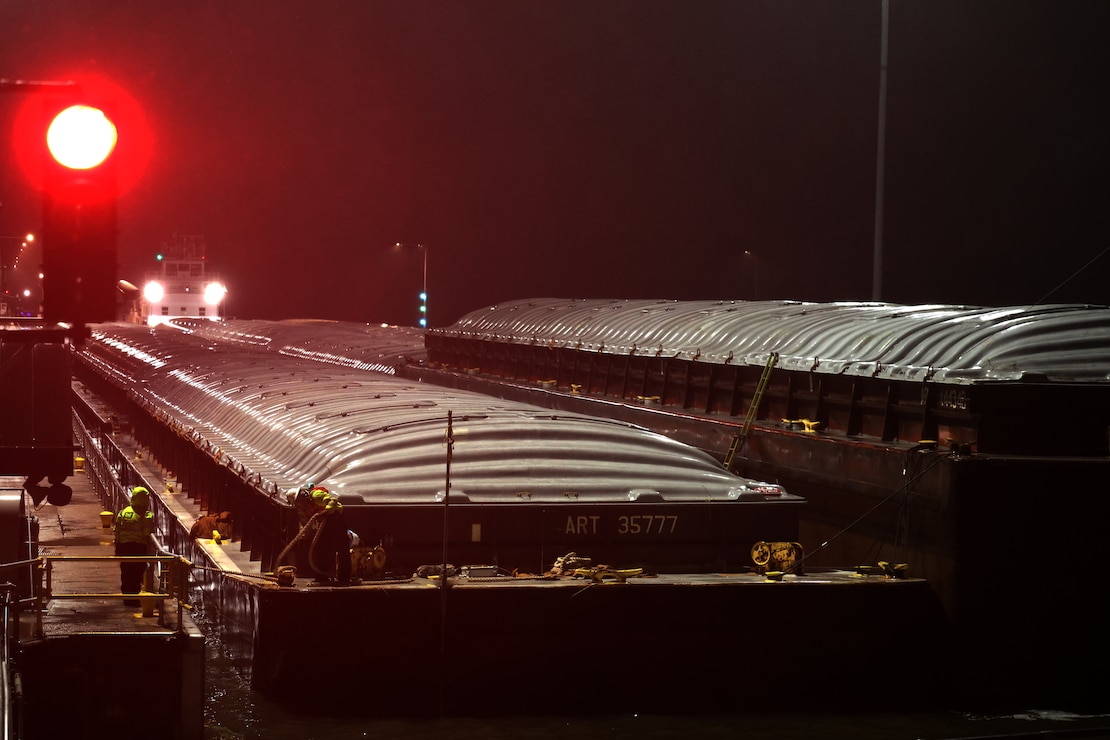
No plan survives first contact with the river. Whether it’s a shifting sandbar or a four-hour lock delay, your spreadsheet will eventually fail you. The trap isn’t the plan; it’s the rigid adherence to it. Successful teams prioritize objectives over timelines, knowing that on a 1,700-mile course, the ability to pivot is more valuable than the ability to optimize.
Mike Tyson famously noted that everyone has a plan until they get punched in the mouth. In TGARR, the river provides the punch.
Resilience > Perfection
TGARR doesn’t reward the team that avoided problems—it rewards the team that handled them with the most grit. The river will find your weakest point. Breaking isn’t the end; quitting is.
The river is moving. Are you?