
Every great adventure carries the risk of an abrupt ending. For the Budget Buccaneers, that ending arrived just 100 miles into the 1,700-mile inaugural River Trial.
Rich and Braden set out on a vessel aptly named Bad Idea. Their goal: reach the Gulf in eight days. Their reality: a catastrophic lower-unit failure that left them dead in the water before they even cleared the first leg.
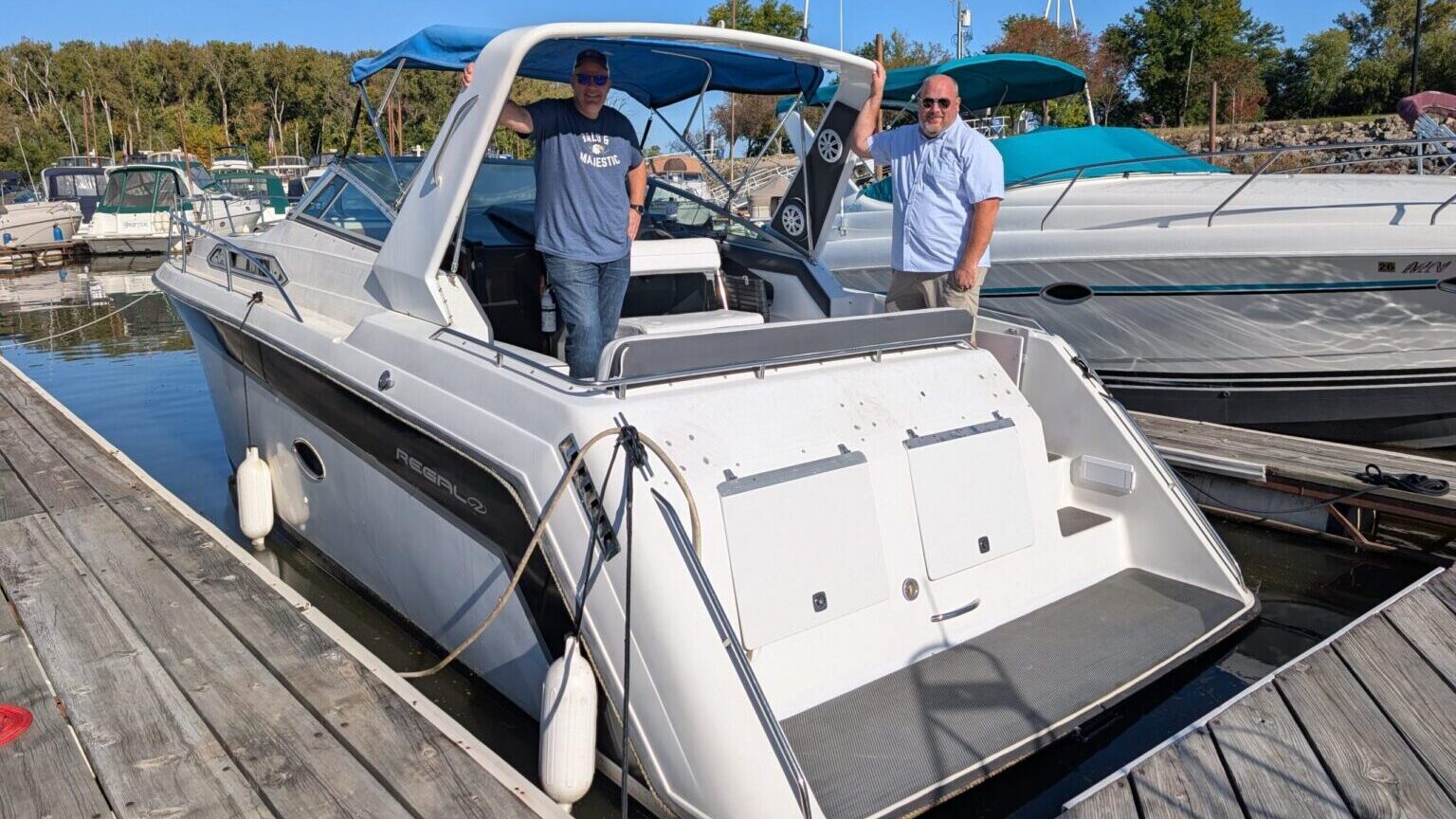
The Fatal Mistake
When the outdrive grenaded , the team did what most boaters do—they looked for a professional.
“We were dead in the water,” Rich explained. “We leaned too heavily on marina timetables. There was simply no way to make the necessary repairs and still finish within the eight-day limit.”
By the time they realized the local shops couldn’t meet the race’s relentless pace, the clock had already run out.
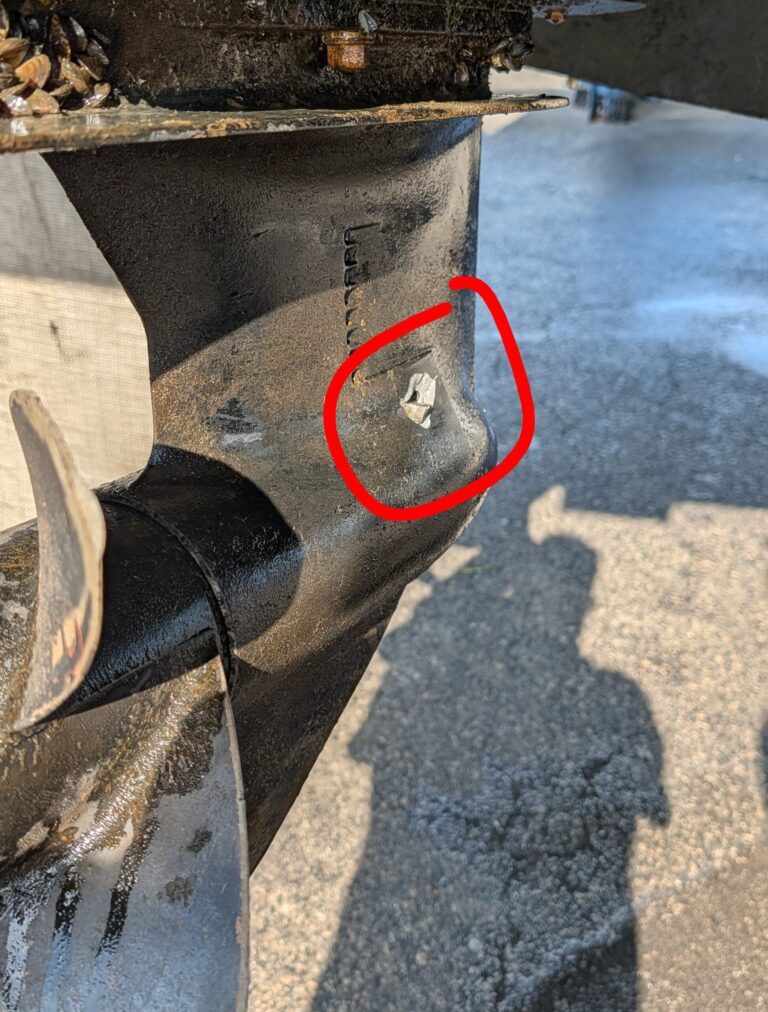
The TGARR Shift: Field Repairs or Bust
In the aftermath, the disappointment turned into an epiphany. They realized that in a race with no resets and no support crews, a mechanic is a luxury you can’t afford.
“If you want to be competitive in this race, you can’t wait for someone else to fix your problems,” Rich said. “You’ve got to be ready to do some Facebook sourcing of a used Alpha One outdrive, pull it apart, and rebuild it yourself right there on the riverbank.”
The Takeaway
The Bad Idea lived up to its name this time, but the Budget Buccaneers walked away with the most valuable asset a racer can have: The mindset of total self-reliance.
They learned that TGARR isn’t won by the boat that stays perfect; it’s won by the crew that can fix the “catastrophic” in the mud at 3:00 a.m.
The Buccaneers are down, but they aren’t out. They now know exactly what it takes to survive the river and complete the race in 2026. The question is: who else is willing to learn that lesson the hard way?