
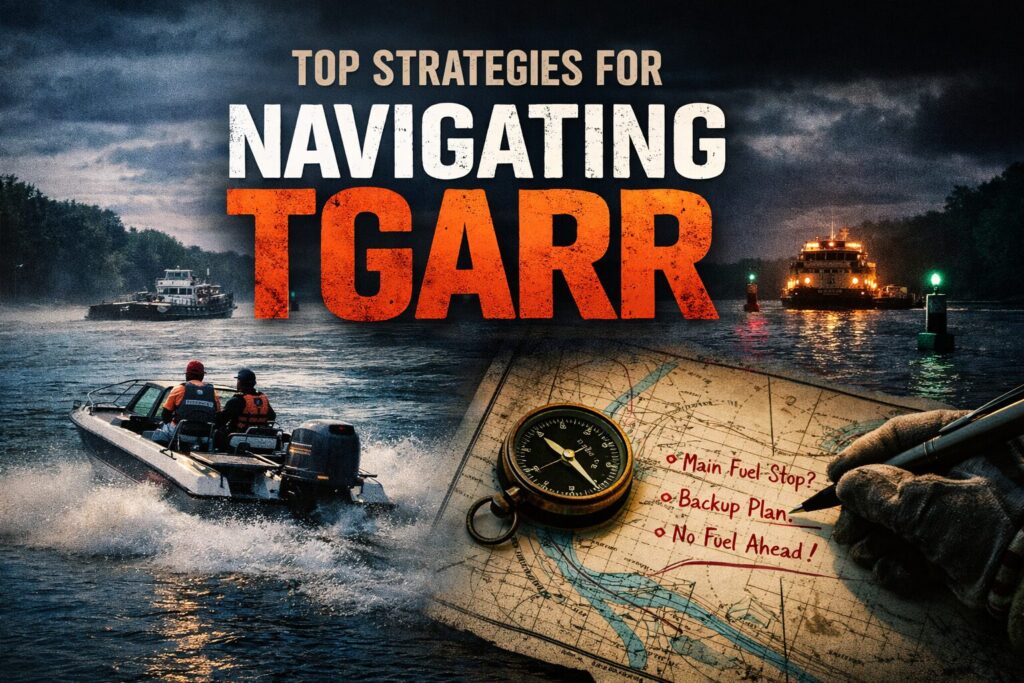
The Great American River Race isn’t won by the fastest boat on paper.
It’s won by the crew that makes the fewest bad decisions over a very long stretch of water.
TGARR is navigation, judgment, fatigue management, and adaptability wrapped in an endurance test. The river doesn’t care how clever your plan looked in the garage—and it will punish crews that confuse confidence with competence.
Here are the strategies that actually matter.
1. Respect the River Before You Try to Outsmart It
The Mississippi and its connected waterways are not static.
They shift daily—sometimes hourly.
- Current speed varies dramatically across the channel
- Wing dams lurk just below the surface
- River bends hide commercial traffic moving faster than you think
- Wind can turn flat water into a beating in minutes
The best crews don’t fight the river. They work with it:
- Use inside vs. outside bends intelligently
- Avoid shallow shortcuts that look tempting on satellite images
- Know when saving fuel costs more time than it saves
The river always wins. Your job is to lose as slowly as possible.
2. Navigation Is a 24-Hour Job, Not a Task You “Finish”


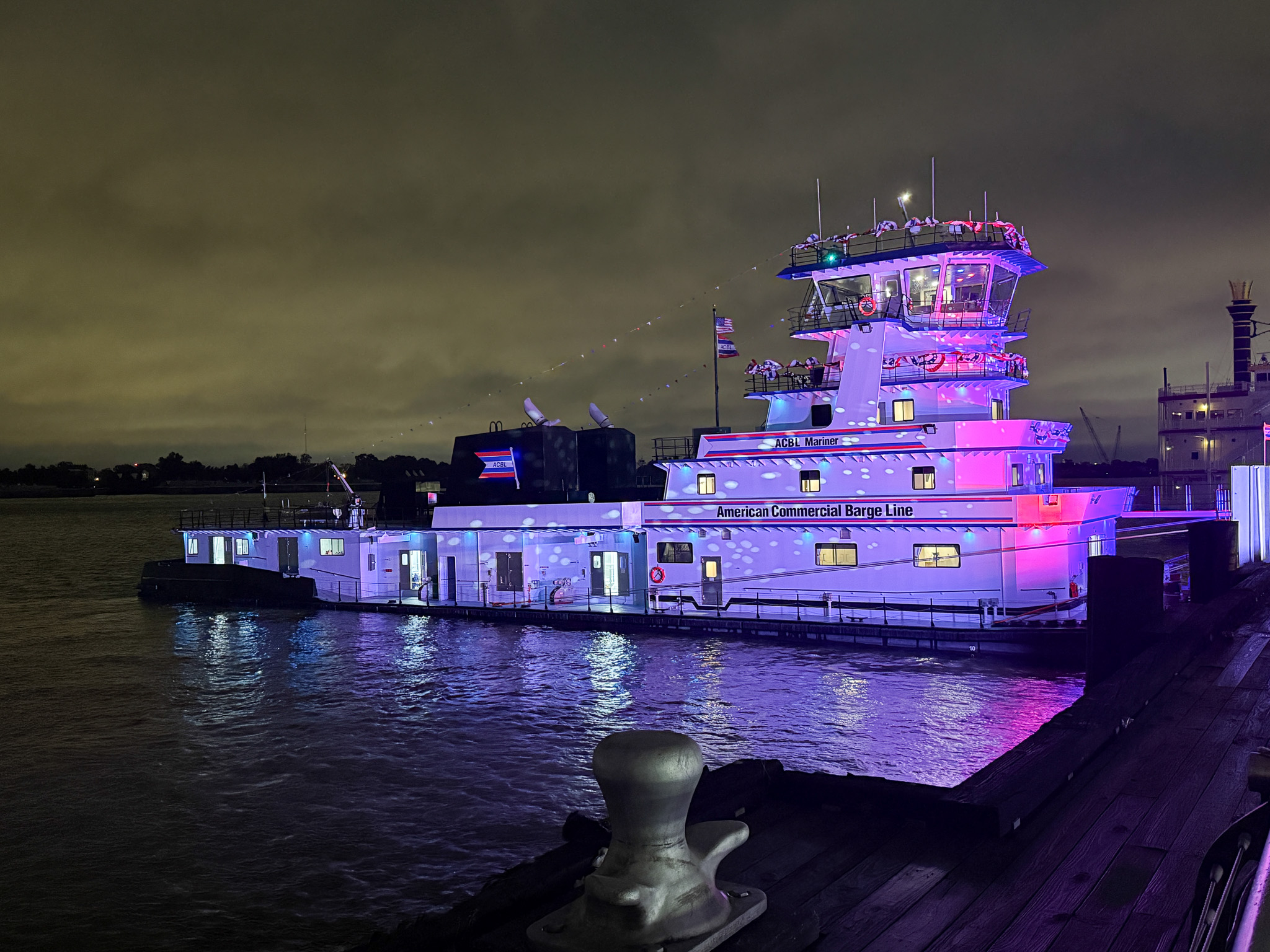
Daylight navigation is forgiving. Night navigation is not.
Smart TGARR teams:
- Assign a dedicated navigator—not the driver
- Rotate navigation duty to avoid tunnel vision
- Use multiple sources: charts, GPS, visual markers, and common sense
- Know COLREGS cold (and follow them)
Mistakes at night cost far more than mistakes during the day—often in broken hardware, lost time, or close calls you won’t forget.
3. Plan Less. Prepare More.
Detailed mile-by-mile plans rarely survive first contact with reality.
What does survive:
- Knowing your fuel range with margin
- Having multiple fuel stop options
- Understanding where you can safely stop if things go sideways
- Carrying spares and tools you actually know how to use
TGARR rewards crews that prepare for scenarios, not scripts.
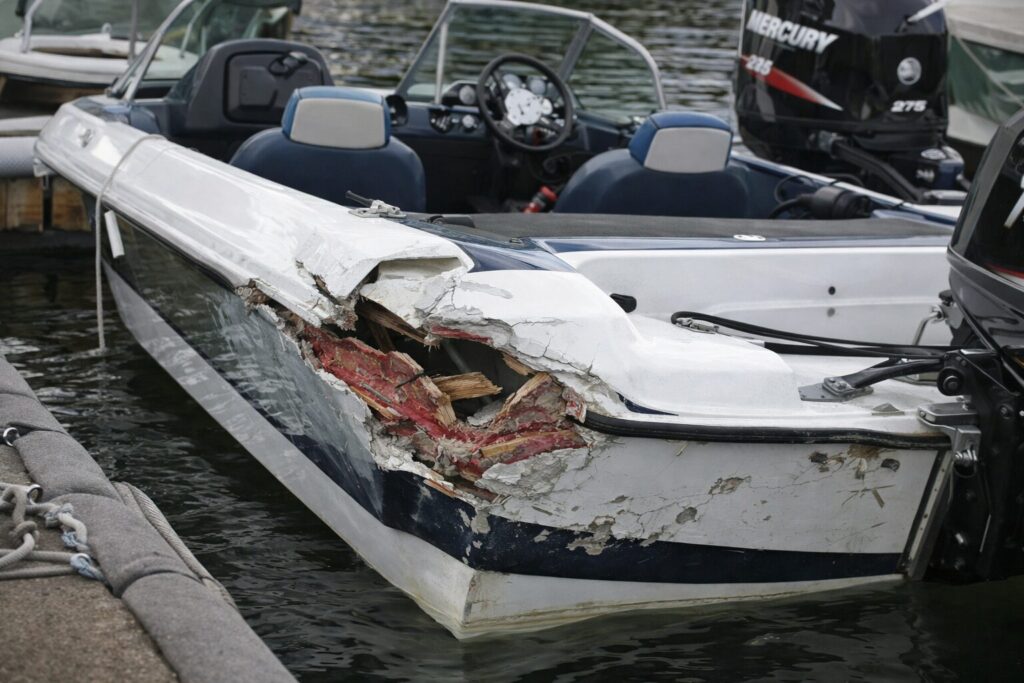
4. Time Management Beats Raw Speed

Winning TGARR isn’t about top speed—it’s about average speed over days.
That means:
- Fast, efficient fuel stops
- Quick decisions on whether to push or rest
- Knowing when stopping for two hours saves twelve later
- Avoiding “death by small delays”
A slightly slower boat that never breaks, never runs dry, and never panics will beat a faster boat every time.
5. Fuel Strategy Becomes Critical in the Lower Portion of the Course
As TGARR pushes south, fuel stops go from inconvenient to scarce—and eventually to nonexistent if you miss your window.
In the lower third of the course:
- Marinas are fewer and farther between
- Some docks have limited hours—or no staff at all
- Fuel availability can change with river levels, storms, or simple bad timing
Smart teams treat fuel like an aviation problem, not a road trip:
- Assume your preferred fuel stop won’t be available
- Identify backup and backup-to-the-backup options
- Know your true range at cruising speed with margin
- Treat fuel stops as strategic checkpoints, not casual decisions
Running low on fuel isn’t just a delay—it can force unsafe decisions, bad stops, or long waits in places you never planned to be.
In TGARR, fuel mistakes compound fast.
6. Crew Dynamics Matter More Than Horsepower
Fatigue changes people.
The crews that finish strong:
- Rotate roles before tempers flare
- Eat before they’re starving
- Hydrate even when they don’t feel like it
- Call out mistakes early, without ego
Bad moods make bad decisions. Bad decisions end races.
7. Expect Failure—and Decide How You’ll Respond
Something will go wrong:
- Electrical gremlins
- Cooling issues
- Navigation errors
- Weather windows closing early
The winning mindset isn’t “nothing will break.”
It’s “when something breaks, we already know what we’ll do.”
Adaptability beats optimism every time.
8. Remember What You’re Racing Against
You’re not just racing other teams.
You’re racing:
- Fatigue
- Weather
- Current
- The clock
- Your own assumptions
TGARR exposes shortcuts, ego, and overconfidence. It rewards patience, preparation, and grit.
Final Thought
TGARR is not about perfection.
It’s about making fewer bad calls than everyone else over hundreds of miles.
Navigate smart. Stay humble. Keep moving.
The river will do the rest.
